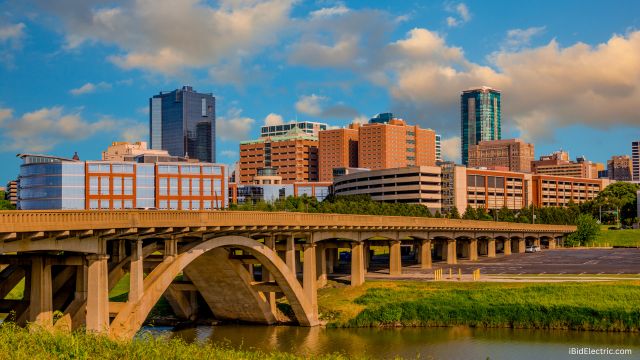
Fort Worth, Texas, one of the fastest-growing cities in the United States, is poised for significant development in 2024. The city’s construction landscape is vibrant, driven by robust economic growth, a burgeoning population, and strategic investments across various sectors. This article explores the key trends and developments shaping Fort Worth’s construction industry, highlighting the opportunities and challenges that lie ahead.
Infrastructure Development
Infrastructure development is a critical component of Fort Worth’s growth strategy for 2024. The city is investing heavily in transportation and public utilities to support its expanding population and enhance urban mobility.
One of the most significant infrastructure projects is the Panther Island development. This ambitious project aims to revitalize an underutilized area north of downtown Fort Worth by creating a network of new canals, bridges, and mixed-use spaces. The project includes flood control measures, such as the construction of new levees and the rerouting of the Trinity River, which will provide enhanced flood protection and create a unique urban waterfront (Deloitte United States) (AGC).
Additionally, Fort Worth is focusing on improving its public transportation system. The TEXRail expansion project, which extends the commuter rail service from downtown Fort Worth to Dallas/Fort Worth International Airport (DFW), aims to enhance regional connectivity and provide a reliable transit option for residents and visitors. The project includes the construction of new stations and the upgrading of existing infrastructure to accommodate increased ridership (International Banker) (PCL Construction).
Road infrastructure projects are also in the pipeline, with ongoing expansions of major highways such as I-35W and I-820. These projects are crucial for alleviating traffic congestion and supporting the city’s economic growth by improving access to key commercial and industrial areas (International Banker) (AGC of America).
Residential Construction
Fort Worth’s residential construction sector is experiencing robust demand, driven by the city’s population growth and its appeal as a desirable place to live. The housing market is characterized by a mix of high-end developments, affordable housing initiatives, and mixed-use projects.
High-end residential developments continue to thrive, particularly in areas like downtown Fort Worth and the Clearfork development along the Trinity River. These projects cater to the luxury market, offering premium amenities and prime locations. Notable developments include The Scenic at River East and The View at Fort Worth, which provide luxury living spaces with retail and office components (Deloitte United States) (International Banker).
Affordable housing remains a critical issue, and the city is actively working to address it. The Fort Worth Housing Solutions (FWHS) and private developers are collaborating to increase the supply of affordable units. Initiatives such as the Butler Place redevelopment and the Cavile Place transformation aim to provide more affordable housing options for low- and middle-income families (AGC) (PCL Construction).
Mixed-use developments are also gaining popularity, offering a blend of residential, commercial, and recreational spaces that promote walkable, community-oriented living. Projects like the AllianceTexas development and the Near Southside revitalization highlight this trend, creating vibrant urban centers with a mix of housing, office space, retail, and public amenities (International Banker) (AGC of America).
Commercial Real Estate
Fort Worth’s commercial real estate market is dynamic, with strong demand for office, retail, and industrial spaces. The city’s diverse economy, driven by sectors such as aerospace, healthcare, and logistics, is a significant driver of office space demand.
The rise of remote work has led to an increased interest in flexible and co-working spaces. Developers are adapting to this trend by creating modern, adaptable office environments that cater to the evolving needs of businesses. Additionally, the trend of converting older office buildings into mixed-use properties is gaining momentum, reflecting the changing dynamics of the commercial real estate market (AGC) (AGC of America).
Retail construction is evolving, focusing on creating experiential environments that attract consumers. The redevelopment of older shopping centers into mixed-use destinations is a notable trend, aimed at revitalizing retail corridors and enhancing consumer experiences. Projects like the West 7th development and The Shops at Clearfork illustrate this shift, blending retail with office and residential spaces (International Banker) (AGC of America).
Industrial and Logistics Development
Fort Worth’s strategic location and favorable business environment make it an ideal hub for industrial and logistics development. The city is witnessing a surge in the construction of warehouses, distribution centers, and manufacturing facilities, driven by the growth of e-commerce and advanced manufacturing technologies.
The AllianceTexas development is a key initiative aimed at fostering industrial growth and economic development. This area is attracting significant investments due to its proximity to major highways and DFW Airport, making it an ideal location for logistics and manufacturing operations (Deloitte United States) (International Banker).
Environmental and Sustainability Initiatives
Fort Worth is committed to sustainable construction practices, with a strong emphasis on green building standards and renewable energy projects. The city is investing in solar and wind energy projects, supported by state and federal incentives. The Fort Worth Green Building Program promotes energy-efficient building practices and the use of sustainable materials in construction projects (International Banker) (AGC of America).
The construction of green infrastructure, such as parks and open spaces, is also a priority. These projects are designed to enhance urban resilience, improve air quality, and provide recreational opportunities for residents. Notable projects include the continued development of the Trinity Trails system and the expansion of the Fort Worth Botanic Garden, both of which contribute to the city’s green infrastructure network (AGC) (PCL Construction).
Fort Worth’s Comprehensive Plan outlines ambitious goals for reducing greenhouse gas emissions and increasing the use of renewable energy. The plan includes measures to improve energy efficiency in buildings, promote the use of electric vehicles, and expand the city’s public transit network. These initiatives are critical for ensuring that the city’s growth is sustainable and environmentally friendly (Deloitte United States) (International Banker).
Challenges and Opportunities
Despite the positive outlook, Fort Worth’s construction industry faces several challenges. Rising material costs, labor shortages, and regulatory complexities are significant concerns that could slow down project timelines and increase budgets. The city’s stringent building codes and environmental regulations, while essential for sustainability, can also add complexity to construction projects (AGC) (PCL Construction).
However, opportunities abound in the form of federal funding, public-private partnerships, and innovative construction technologies. The Infrastructure Investment and Jobs Act (IIJA) is expected to provide substantial financial support for various projects, helping to bridge funding gaps and expedite developments. Advances in construction technology, such as the use of Building Information Modeling (BIM) and prefabrication techniques, are also driving efficiencies and improving project outcomes (International Banker) (AGC of America).
In conclusion, Fort Worth’s construction sector is set for a dynamic year in 2024, with significant investments across infrastructure, residential, commercial, and industrial projects. By addressing challenges and leveraging opportunities, Fort Worth can continue to grow as a vibrant and resilient urban center. The city’s strategic focus on sustainability, innovation, and public-private collaboration positions it well for continued development, ensuring it remains an attractive place to live and work.