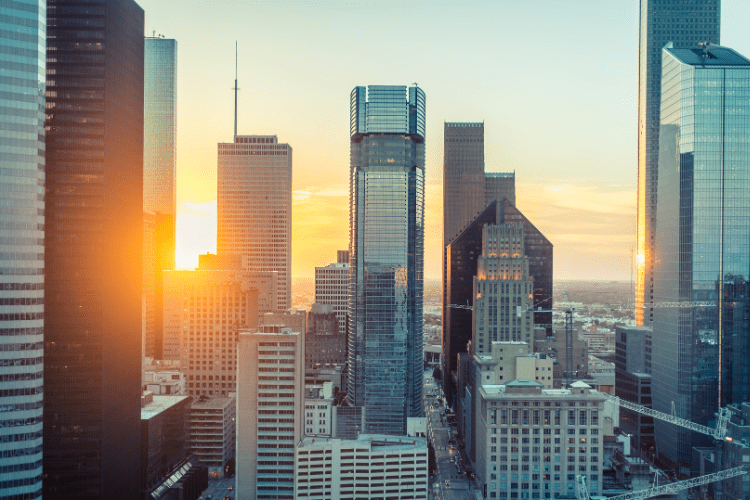
Houston, known as the energy capital of the world, is gearing up for a dynamic year in construction in 2024. The city’s construction landscape is shaped by its robust energy sector, a growing population, and ongoing infrastructure projects. The outlook for 2024 reflects a mix of opportunities and challenges across various construction segments, driven by economic conditions, technological advancements, and strategic investments.
Energy Sector Projects
Houston’s energy sector continues to be a major driver of construction activity. As the city transitions towards renewable energy sources, supported by federal incentives and private investments, projects such as solar farms, wind energy installations, and upgrades to existing oil and gas infrastructure are expected to dominate the construction landscape.
Significant investments are being made in green energy projects, with companies like Shell and BP leading the charge in developing renewable energy facilities. The construction of new hydrogen plants and carbon capture facilities also underscores Houston’s role in the energy transition. For instance, ExxonMobil is advancing its plans for a large-scale carbon capture and storage (CCS) project aimed at reducing emissions from industrial facilities along the Gulf Coast (Deloitte United States) (PCL Construction).
Residential Development
The residential construction sector in Houston is witnessing strong demand, fueled by the city’s growing population and economic opportunities. New housing developments, particularly in suburban areas, are expanding to accommodate the influx of residents. According to the Houston Association of Realtors, home sales and new construction permits have remained robust, reflecting a healthy housing market.
Affordable housing remains a key focus, with initiatives aimed at addressing the housing needs of low- and middle-income families. The Houston Housing Authority, in collaboration with private developers, is pushing forward several affordable housing projects to meet the city’s diverse housing demands. Mixed-use developments are also on the rise, combining residential, commercial, and recreational spaces to create vibrant, self-sustaining communities. Projects like the East River development are transforming old industrial areas into new urban hubs, promoting economic growth and urban revitalization (International Banker) (PCL Construction).
Commercial Real Estate
Houston’s commercial real estate sector is adapting to changing market demands. While the demand for traditional office space has declined, there is a growing interest in flexible and co-working spaces. The tech and healthcare sectors are driving demand for new office developments and specialized facilities.
Retail construction is evolving with a focus on creating experiential retail environments that attract consumers. The redevelopment of older shopping centers into mixed-use destinations is a notable trend aimed at revitalizing retail corridors and enhancing consumer experiences. For example, the ongoing transformation of the Houston Galleria area includes the addition of new retail, dining, and entertainment options (PCL Construction) (AGC).
Infrastructure and Transportation
Infrastructure development remains a critical priority for Houston. The city is investing heavily in transportation projects to improve connectivity and reduce traffic congestion. The expansion of the Houston METRO system, including new light rail lines and bus rapid transit routes, is expected to enhance public transit options and support sustainable urban growth. The METRONext Moving Forward Plan outlines several key projects aimed at expanding transit services and improving mobility across the region (Deloitte United States) (PCL Construction).
Additionally, flood mitigation projects are crucial for Houston, given its vulnerability to hurricanes and heavy rainfall. The construction of new reservoirs, drainage systems, and green infrastructure is essential for protecting the city’s residents and businesses from future flooding events. The Harris County Flood Control District is spearheading several initiatives to enhance the city’s resilience to extreme weather conditions (PCL Construction) (AGC).
Environmental and Sustainability Initiatives
Houston is committed to sustainable construction practices, with a strong emphasis on green building standards and renewable energy projects. The city is investing in solar and wind energy projects, supported by state and federal incentives. The Houston Climate Action Plan outlines the city’s goals for reducing greenhouse gas emissions and increasing the use of renewable energy sources (International Banker) (PCL Construction).
The construction of green infrastructure, such as parks and open spaces, is also a priority. These projects are designed to enhance urban resilience, improve air quality, and provide recreational opportunities for residents. Notable projects include the continued development of Buffalo Bayou Park and the expansion of the Houston Arboretum and Nature Center, both of which contribute to the city’s green infrastructure network (PCL Construction) (AGC).
Challenges and Opportunities
Houston’s construction industry faces several challenges, including labor shortages, rising material costs, and regulatory hurdles. The city’s rapid growth also necessitates significant investments in infrastructure and public services to keep pace with demand. According to a report by the Associated General Contractors of America, the construction labor market remains tight, with a significant number of unfilled positions and rising wages for skilled workers (AGC) (PCL Construction).
However, opportunities abound in the form of federal funding, public-private partnerships, and innovative construction technologies. The Infrastructure Investment and Jobs Act (IIJA) is expected to provide substantial financial support for various projects, helping to bridge funding gaps and expedite developments. Advances in construction technology, such as the use of Building Information Modeling (BIM) and prefabrication techniques, are also driving efficiencies and improving project outcomes (Deloitte United States) (PCL Construction).
In conclusion, Houston’s construction sector is poised for a dynamic year in 2024, with significant investments across energy, residential, commercial, and infrastructure projects. By addressing challenges and leveraging opportunities, Houston can continue to grow as a vibrant and resilient urban center. The city’s strategic focus on sustainability, innovation, and public-private collaboration positions it well for continued development, meeting the evolving needs of its residents and businesses.
4o