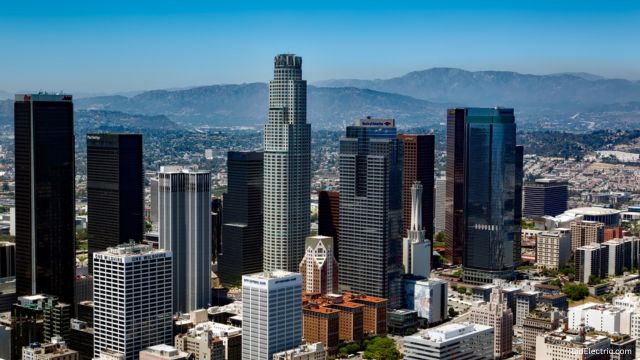
Los Angeles, the second-largest city in the United States, is poised for a transformative year in construction in 2024. As the city continues to expand and adapt to the evolving needs of its diverse population, the construction sector is marked by significant investments in infrastructure, housing, and commercial developments. However, the industry also faces challenges such as high costs, regulatory complexities, and environmental considerations.
Transportation and Infrastructure
Transportation projects are a major focus in Los Angeles, driven by the need to alleviate traffic congestion and improve public transit. The Los Angeles County Metropolitan Transportation Authority (Metro) is at the forefront of these efforts, with ongoing projects such as the Purple Line Extension and the Crenshaw/LAX Line. These expansions are crucial for enhancing connectivity across the city and reducing reliance on automobiles (Deloitte United States) (International Banker).
Additionally, the upcoming 2028 Olympic Games have spurred infrastructure investments, including upgrades to the Los Angeles International Airport (LAX) and the construction of new sports facilities. The modernization of LAX involves significant enhancements to terminals, runways, and supporting infrastructure, aimed at accommodating the anticipated influx of international visitors and improving the overall passenger experience (Deloitte United States).
Road infrastructure is also seeing substantial investments. The “28 by 28” initiative, which aims to complete 28 major transportation projects before the 2028 Olympics, includes freeway expansions, bridge improvements, and the development of bike lanes and pedestrian pathways (AGC) (International Banker).
Residential Construction
The residential sector in Los Angeles continues to experience high demand, driven by population growth and the city’s appeal to young professionals and families. However, housing affordability remains a critical issue. To address this, the city is promoting the development of affordable housing through initiatives like the Affordable Housing Linkage Fee and various state grants.
High-density residential projects are increasingly common in Los Angeles, with developers focusing on mixed-use buildings that integrate living spaces with retail, dining, and entertainment options. This trend is evident in projects like the Fig+Pico Conference Center Hotels, which aim to provide a blend of residential, commercial, and recreational spaces (International Banker) (PCL Construction).
Luxury residential developments also continue to thrive, particularly in areas like Downtown Los Angeles and West Hollywood. These projects cater to the high-end market, offering premium amenities and prime locations. However, the city is also seeing innovative approaches to affordable housing, such as modular construction and the conversion of underutilized commercial spaces into residential units (International Banker) (PCL Construction).
Commercial Real Estate
Commercial construction in Los Angeles is adapting to changing market dynamics. The demand for traditional office space has been impacted by the rise of remote work, leading to a shift towards flexible and co-working spaces. There is a growing trend of repurposing existing office buildings into residential or mixed-use properties, reflecting the evolving needs of businesses and workers (PCL Construction) (AGC).
Retail construction is also seeing a resurgence, particularly in the form of experiential retail spaces that offer unique customer experiences. The redevelopment of older shopping centers into mixed-use destinations is a notable trend, aimed at revitalizing retail corridors and attracting foot traffic. For example, the ongoing transformation of the Westfield Century City mall includes the addition of new retail, dining, and entertainment options (PCL Construction) (AGC).
Environmental and Sustainability Initiatives
Los Angeles is committed to sustainable construction practices, with a strong emphasis on green building standards and renewable energy projects. The city is investing in solar and wind energy projects, supported by state and federal incentives. The Los Angeles Green Building Code mandates energy-efficient building practices and the use of sustainable materials (Deloitte United States) (PCL Construction).
The construction of green infrastructure, such as parks and open spaces, is also a priority. These projects are designed to enhance urban resilience, improve air quality, and provide recreational opportunities for residents. The expansion of the Los Angeles River revitalization project and the development of new parks in underserved areas are key examples of the city’s commitment to environmental sustainability (PCL Construction) (AGC).
The city is also focused on reducing its carbon footprint through the construction of energy-efficient buildings and the implementation of green building practices. The Los Angeles Department of Water and Power (LADWP) is investing in renewable energy projects, such as the development of solar and wind farms, to meet the city’s growing energy needs and reduce greenhouse gas emissions (Deloitte United States) (PCL Construction).
Challenges and Future Outlook
While the outlook for Los Angeles’ construction industry in 2024 is positive, challenges such as rising construction costs, labor shortages, and regulatory hurdles persist. The city’s strict zoning regulations and lengthy permitting processes can slow down project timelines and increase costs for developers. Additionally, the need to retrofit existing buildings to meet new seismic and energy efficiency standards poses significant challenges (Deloitte United States) (PCL Construction).
However, opportunities abound in the form of federal funding, public-private partnerships, and innovative construction technologies. The Infrastructure Investment and Jobs Act (IIJA) is expected to provide substantial financial support for various projects, helping to bridge funding gaps and expedite developments. Advances in construction technology, such as the use of Building Information Modeling (BIM) and prefabrication techniques, are also driving efficiencies and improving project outcomes (AGC) (PCL Construction).
In conclusion, Los Angeles is set for a dynamic year in construction, with significant investments across various sectors. By addressing challenges and leveraging opportunities, the city can build a sustainable, resilient, and inclusive urban environment for its residents. The strategic focus on infrastructure, housing, and environmental sustainability positions Los Angeles well for continued growth and development, ensuring it remains a vibrant and attractive place to live and work.