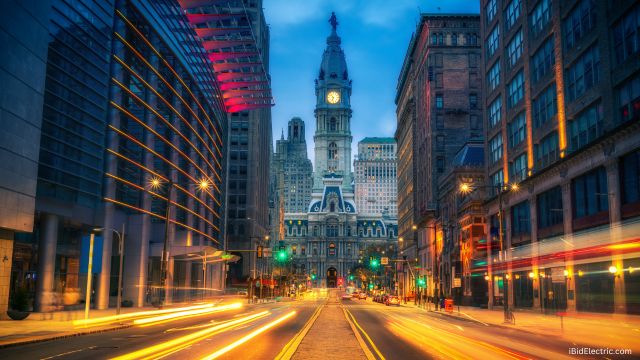
Philadelphia, the sixth-largest city in the United States, is gearing up for a year of significant construction activity in 2024. With a robust focus on healthcare, education, infrastructure, and residential development, the city’s construction outlook is promising. However, it is also marked by challenges such as rising material costs, labor shortages, and regulatory complexities. Here’s an in-depth look at what to expect in Philadelphia’s construction sector in 2024.
Healthcare and Education Construction
Philadelphia’s construction industry is heavily influenced by its prominent healthcare and education sectors. Major investments in hospital expansions and new medical facilities are expected to drive construction activity. Institutions such as the University of Pennsylvania Health System and Jefferson Health are leading the way with large-scale projects. For instance, Penn Medicine’s Pavilion, a 1.5 million-square-foot facility, reflects the city’s ongoing commitment to expanding its healthcare infrastructure (Deloitte United States) (PCL Construction).
The education sector also significantly impacts construction, with numerous projects aimed at expanding and upgrading school facilities. Philadelphia’s universities and colleges are investing in new buildings and campus improvements to attract students and enhance their educational offerings. The University of Pennsylvania, Temple University, and Drexel University are among those with active construction projects, including new dormitories, research facilities, and academic buildings (AGC).
Residential Development
The residential construction sector in Philadelphia is experiencing strong demand, driven by the city’s growing population and urban revitalization efforts. Mixed-use developments are increasingly popular, combining residential units with commercial and recreational spaces to create vibrant, walkable communities. Notable projects include Schuylkill Yards and the Navy Yard, which are transforming underutilized areas into dynamic urban centers (International Banker) (PCL Construction).
Affordable housing remains a critical focus for Philadelphia. The city is working with developers to increase the supply of affordable units through initiatives like the Housing Trust Fund and the Philadelphia Housing Authority’s (PHA) development projects. The city’s inclusionary zoning policies, which require developers to include affordable housing in new projects, are also crucial in addressing housing affordability (Deloitte United States) (PCL Construction).
Commercial Real Estate
Philadelphia’s commercial real estate market is adapting to changing dynamics post-pandemic. The demand for traditional office space has shifted, with more companies adopting hybrid work models. This has led to an increased interest in flexible and co-working spaces. The trend of repurposing existing office buildings into residential or mixed-use properties is also gaining momentum, reflecting the evolving needs of businesses and workers (International Banker) (AGC).
Retail construction is seeing a transformation, focusing on creating experiential retail environments that attract consumers. The redevelopment of older shopping centers into mixed-use destinations is a notable trend, aimed at revitalizing retail corridors and enhancing consumer experiences. Projects like the Fashion District Philadelphia exemplify this shift, offering a blend of retail, dining, and entertainment options (PCL Construction) (AGC).
Infrastructure and Transportation
Infrastructure development remains a critical priority for Philadelphia, with significant investments in transportation and public transit projects. The ongoing reconstruction of the I-95 corridor, a vital transportation artery, is one of the largest infrastructure projects in the city. This project aims to improve traffic flow, enhance safety, and support economic growth (Deloitte United States) (PCL Construction).
The Southeastern Pennsylvania Transportation Authority (SEPTA) is also investing in upgrades to its transit system, including the expansion of the Market-Frankford Line and the modernization of its fleet. These projects are crucial for improving connectivity and supporting sustainable urban growth. Additionally, the city is focusing on green infrastructure initiatives, such as the development of bike lanes and pedestrian-friendly streets, to promote environmentally sustainable transportation options (International Banker) (AGC).
Environmental and Sustainability Initiatives
Philadelphia is committed to sustainable construction practices, with a strong emphasis on green building standards and renewable energy projects. The city is investing in solar and wind energy projects, supported by state and federal incentives. The Philadelphia Green Building Code mandates energy-efficient building practices and the use of sustainable materials (PCL Construction) (AGC).
The construction of green infrastructure, such as parks and open spaces, is also a priority. These projects are designed to enhance urban resilience, improve air quality, and provide recreational opportunities for residents. The continued development of the Delaware River Waterfront and the expansion of the Fairmount Park system are key examples of the city’s commitment to environmental sustainability (PCL Construction) (AGC).
Challenges and Opportunities
Despite the positive outlook, Philadelphia’s construction industry faces several challenges. Rising material costs, labor shortages, and regulatory complexities are significant concerns that could slow down project timelines and increase budgets. The city’s aging infrastructure also requires substantial investments in maintenance and upgrades to meet modern standards (Deloitte United States) (PCL Construction).
However, opportunities abound in the form of federal funding, public-private partnerships, and innovative construction technologies. The Infrastructure Investment and Jobs Act (IIJA) is expected to provide substantial financial support for various projects, helping to bridge funding gaps and expedite developments. Advances in construction technology, such as the use of Building Information Modeling (BIM) and prefabrication techniques, are also driving efficiencies and improving project outcomes (AGC) (International Banker).
In conclusion, Philadelphia’s construction sector is poised for significant growth in 2024, driven by robust investments across healthcare, education, residential, commercial, and infrastructure projects. While challenges such as high costs and labor shortages persist, the city’s strategic focus on sustainability, innovation, and public-private collaboration positions it well for continued development and resilience. By leveraging these opportunities, Philadelphia can continue to thrive as a vibrant and dynamic urban center, meeting the evolving needs of its residents and businesses.