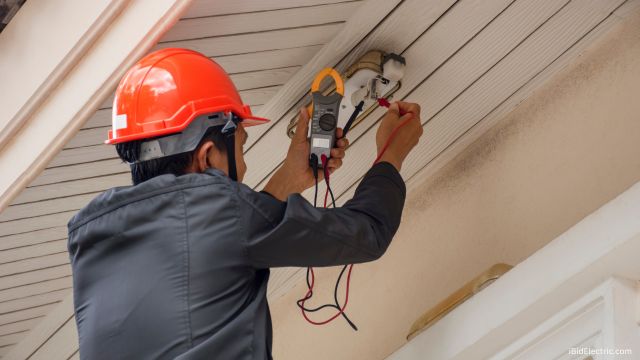
Preventive maintenance is a proactive approach to managing electrical systems, aimed at ensuring their optimal performance, reliability, and safety. By implementing effective preventive maintenance strategies, facility managers can reduce the risk of unexpected failures, extend the lifespan of electrical equipment, and improve overall operational efficiency. This article outlines key preventive maintenance strategies for electrical systems in facilities.
Understanding Preventive Maintenance
Preventive maintenance involves regularly scheduled inspections, testing, servicing, and repairs of electrical systems to prevent potential issues before they become major problems. The main objectives of preventive maintenance are to:
- Enhance Reliability: Ensure that electrical systems operate reliably without unexpected interruptions.
- Improve Safety: Identify and mitigate safety hazards to protect occupants and equipment.
- Extend Equipment Lifespan: Minimize wear and tear on electrical components, extending their useful life.
- Reduce Costs: Prevent costly emergency repairs and downtime by addressing issues early.
Developing a Preventive Maintenance Plan
A comprehensive preventive maintenance plan is essential for effectively managing electrical systems. The plan should include:
- Inventory of Electrical Systems: Create a detailed inventory of all electrical systems and components, including wiring, panels, transformers, circuit breakers, and equipment.
- Maintenance Schedule: Develop a maintenance schedule that outlines the frequency of inspections, testing, and servicing for each component. The schedule should be based on manufacturer recommendations, industry standards, and the facility’s specific needs.
- Task List: Define specific maintenance tasks to be performed during each inspection, such as cleaning, lubricating, testing, and replacing components.
- Documentation: Maintain detailed records of all maintenance activities, including inspection results, test data, repairs, and replacements. This documentation helps track the condition of electrical systems and plan future maintenance.
Key Preventive Maintenance Tasks
Preventive maintenance tasks for electrical systems can be categorized into several key areas:
1. Inspections
Regular inspections are crucial for identifying potential issues before they lead to failures. Key inspection tasks include:
- Visual Inspections: Conduct visual inspections of electrical panels, wiring, outlets, and equipment to identify signs of wear, damage, or overheating.
- Thermal Imaging: Use thermal imaging cameras to detect hot spots in electrical systems, which can indicate loose connections, overloading, or impending failures.
- Infrared Scanning: Perform infrared scanning to identify abnormal temperature patterns in electrical components, helping to pinpoint potential issues.
2. Testing
Regular testing ensures that electrical systems operate within safe and efficient parameters. Key testing tasks include:
- Insulation Resistance Testing: Measure the insulation resistance of wiring and equipment to detect degradation and prevent electrical leaks.
- Continuity Testing: Verify the continuity of electrical circuits to ensure there are no breaks or faults.
- Grounding System Testing: Test grounding systems to ensure they provide a low-resistance path for fault currents, enhancing safety and preventing electrical shock hazards.
- Load Testing: Conduct load testing on critical electrical systems to ensure they can handle the required load without issues.
3. Cleaning and Servicing
Regular cleaning and servicing help maintain the performance and reliability of electrical systems. Key tasks include:
- Cleaning Electrical Panels: Remove dust, dirt, and debris from electrical panels to prevent overheating and ensure proper ventilation.
- Lubricating Components: Lubricate moving parts in electrical equipment to reduce friction and wear.
- Tightening Connections: Check and tighten all electrical connections to prevent loose connections that can lead to overheating and arcing.
4. Component Replacement
Proactively replacing aging or worn-out components is essential for maintaining system reliability. Key tasks include:
- Replacing Circuit Breakers: Replace circuit breakers that show signs of wear, damage, or frequent tripping.
- Upgrading Wiring: Upgrade wiring that is outdated, damaged, or not capable of handling current electrical loads.
- Replacing Fuses: Replace fuses that are nearing the end of their lifespan or have blown.
- Upgrading Panels: Upgrade electrical panels that are old, undersized, or unable to meet current electrical demands.
Implementing Advanced Monitoring Technologies
Advanced monitoring technologies can enhance preventive maintenance by providing real-time data on the condition of electrical systems. Key technologies include:
- Smart Sensors: Install smart sensors to continuously monitor electrical parameters such as voltage, current, temperature, and humidity. These sensors can detect anomalies and alert facility managers to potential issues.
- IoT Devices: Utilize Internet of Things (IoT) devices to collect and analyze data from electrical systems, enabling predictive maintenance and early detection of faults.
- Energy Management Systems (EMS): Implement EMS to monitor and optimize energy usage, identify inefficiencies, and provide insights for preventive maintenance.
Training and Education
Proper training and education are essential for effective preventive maintenance. Facility managers should:
- Train Maintenance Staff: Provide training for maintenance staff on preventive maintenance procedures, safety protocols, and the use of advanced monitoring technologies.
- Stay Informed: Keep up to date with industry best practices, new technologies, and changes to electrical codes and standards.
- Promote Safety: Emphasize the importance of safety in all maintenance activities, ensuring that staff follow proper procedures and use appropriate personal protective equipment (PPE).
Scheduling and Coordination
Effective scheduling and coordination are key to successful preventive maintenance. Facility managers should:
- Create a Maintenance Calendar: Develop a maintenance calendar that outlines scheduled inspections, testing, and servicing activities.
- Coordinate with Contractors: Work closely with electrical contractors to ensure that maintenance tasks are performed on schedule and to the required standards.
- Minimize Disruptions: Schedule maintenance activities during off-peak hours or times of low occupancy to minimize disruptions to facility operations.
Tracking and Reporting
Tracking and reporting maintenance activities are essential for continuous improvement. Facility managers should:
- Maintain Records: Keep detailed records of all preventive maintenance activities, including inspection results, test data, repairs, and replacements.
- Analyze Data: Analyze maintenance data to identify trends, recurring issues, and opportunities for improvement.
- Report Findings: Regularly report maintenance findings to facility stakeholders, highlighting key achievements, challenges, and recommendations for future maintenance.
Conclusion
Implementing effective preventive maintenance strategies for electrical systems is essential for ensuring their reliability, safety, and efficiency. By developing a comprehensive maintenance plan, performing regular inspections and testing, leveraging advanced monitoring technologies, and providing proper training and education, facility managers can significantly reduce the risk of unexpected failures, extend the lifespan of electrical equipment, and improve overall operational efficiency. Continuous tracking, reporting, and coordination with electrical contractors further enhance the effectiveness of preventive maintenance programs, contributing to the long-term success of facility management.