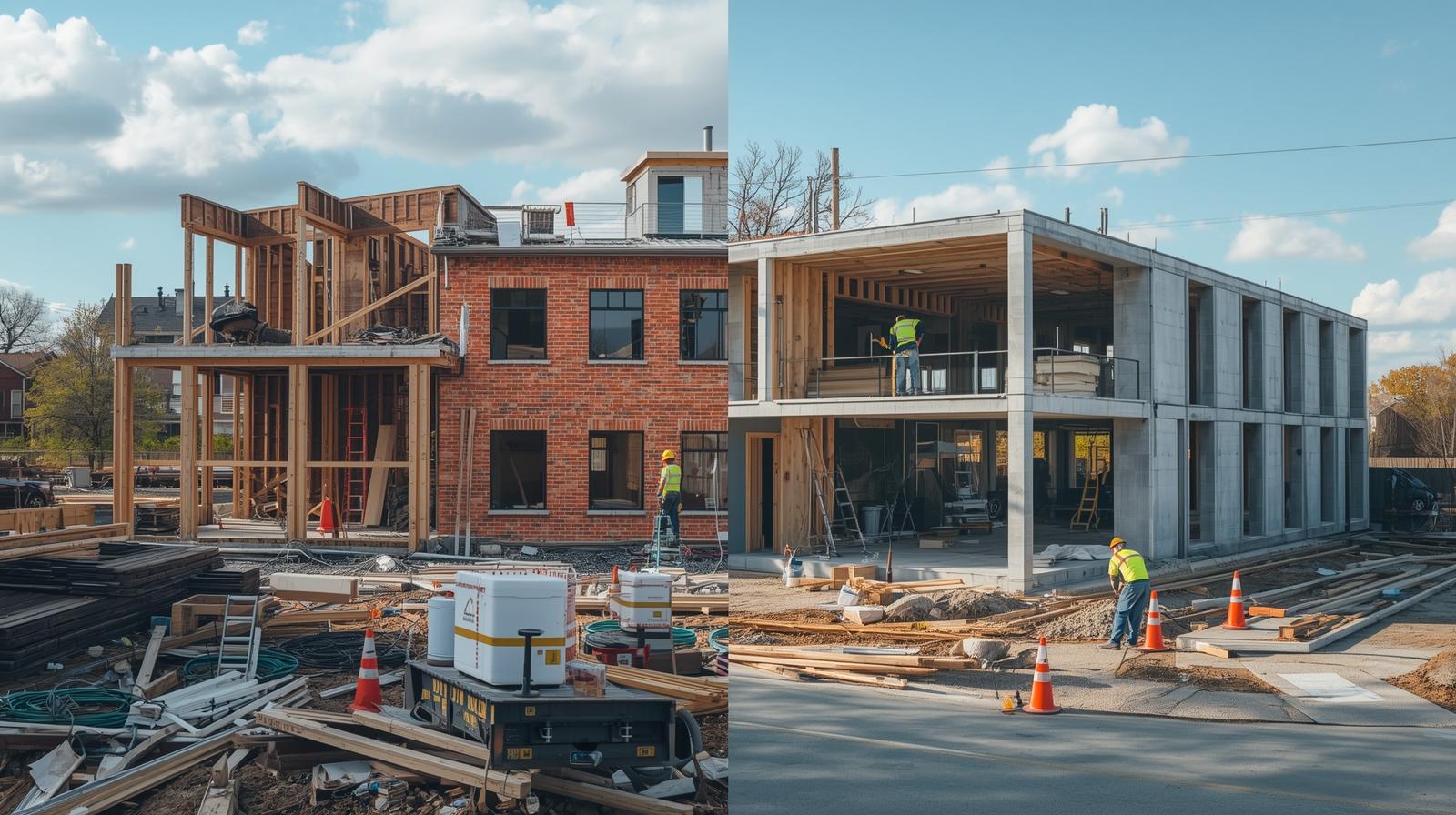
Introduction: Two Paths, Two Very Different Costs
Every facility manager eventually faces the big question: should we renovate or build new? On the surface, renovation looks cheaper. After all, you’re working with an existing building. But when it comes to electrical systems, renovations often end up being more complicated—and more expensive—than new construction.
Wiring hidden behind walls, outdated equipment, code upgrades, and unforeseen conditions all add up quickly. In contrast, new construction offers a clean slate but requires significant upfront investment.
The key is understanding the real costs of each option so you can make an informed decision. In this article, we’ll explore the electrical challenges of both renovation and new construction, why facility managers often underestimate renovation costs, and how iBidElectric helps you evaluate the true budget impact.
Why Renovations Can Cost More Than Expected
1. Demolition and Discovery
Opening walls often reveals surprises: brittle wiring, undersized conduits, or undocumented systems. Correcting these issues can blow through budgets fast.
2. Code Compliance
Renovations trigger code updates. An older building may require entirely new panels, grounding upgrades, or fire-rated penetrations that weren’t budgeted.
3. Working Around Operations
In occupied facilities, work must be phased around tenants, patients, or staff. Night work, overtime, and temporary systems drive up labor costs.
4. Limited Space
Existing ceiling cavities or equipment rooms may not accommodate new systems. Re-routing conduits or relocating gear is both labor-intensive and costly.
5. Coordination with Other Trades
Renovations often uncover conflicts with plumbing, HVAC, or structural elements. Each conflict adds time and money.
The Advantages of New Construction
1. Clean Slate Design
Everything is designed from the ground up. Systems are sized correctly, coordinated across disciplines, and installed efficiently.
2. Lower Labor Hours
Crews aren’t working around existing structures, so productivity is higher. Straight runs of conduit and cable trays save thousands of hours.
3. Easier Code Compliance
Designing to the latest electrical code from the beginning avoids costly retrofits.
4. Modern Systems
New construction allows integration of the latest energy-efficient lighting, smart systems, and renewable energy infrastructure.
5. Fewer Surprises
While site conditions may present challenges, they are far less unpredictable than inside older buildings.
A Real-World Example
A healthcare facility faced a choice: renovate a 40-year-old wing or build a new addition. The renovation estimate was $7 million; new construction was $9 million.
At first glance, renovation seemed like the obvious choice. But when iBidElectric reviewed the electrical scope, we found:
-
Extensive rewiring required to meet code.
-
Panelboards at full capacity needing replacement.
-
Temporary power systems for occupied areas.
The real renovation cost climbed to nearly $10 million—more than new construction. With this insight, the facility chose new construction and saved millions over the long term.
How Facility Managers Can Evaluate Costs
1. Get Independent Estimates
Don’t rely solely on contractor or architect numbers. Independent estimators can uncover hidden renovation costs.
2. Consider Lifecycle Costs
Renovation may look cheaper up front, but new construction often provides lower operating and maintenance costs.
3. Factor in Phasing
Renovation in occupied buildings requires phasing, temporary systems, and possibly overtime. Add these into your budget.
4. Review Code Triggers
Work with experts to identify which parts of a building must be brought up to current code during renovation.
5. Plan for Contingencies
Renovations are unpredictable. A 10–15% contingency is often necessary just for electrical work.
Why Facility Managers Struggle With This Decision
Facility managers are under constant pressure to minimize capital spending. Renovation seems like the budget-friendly option—but only if you ignore the hidden costs. Without an experienced electrical estimator reviewing both paths, managers risk making the wrong choice.
How iBidElectric Helps Facility Managers
iBidElectric provides the clear, unbiased analysis facility managers need to make renovation vs. new construction decisions with confidence.
We offer:
-
Detailed Cost Comparisons: Side-by-side breakdowns of renovation and new construction costs.
-
Code Compliance Analysis: Identifying which upgrades are required by law.
-
Labor Productivity Checks: Calculating realistic labor hours for each option.
-
Lifecycle Cost Evaluations: Assessing long-term operating and maintenance costs.
-
Contingency Planning: Building realistic buffers into budgets.
Our reviews give facility managers the full picture—so they don’t fall for the “renovation is cheaper” trap.
What It All Means
Renovations can be deceptive. While they look cost-effective on the surface, hidden electrical issues often make them more expensive than starting fresh. New construction, while higher in upfront cost, can deliver greater efficiency, fewer surprises, and lower long-term expenses.
With iBidElectric on your side, you’ll have the data and expertise to make the right decision for your facility, your budget, and your future.
Call to Action
Facing the renovation vs. new construction decision? Don’t guess—get the facts. Schedule a call with an iBidElectric electrical estimator today to compare your options and protect your budget.