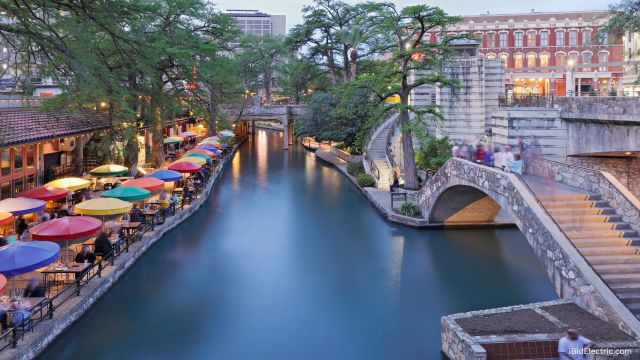
San Antonio, the seventh-largest city in the United States, is on the cusp of significant growth and transformation in 2024. The city’s construction sector is poised for robust activity, driven by investments in infrastructure, residential, commercial, and industrial projects. Despite facing challenges such as rising costs and labor shortages, San Antonio’s construction outlook remains optimistic, supported by strong economic fundamentals and strategic planning.
Infrastructure Development
Infrastructure development is a critical focus for San Antonio in 2024, with several major projects aimed at improving transportation and public utilities. The city’s continued population growth necessitates enhancements to its transportation infrastructure. One of the key projects is the expansion of the San Antonio International Airport, which aims to accommodate increasing passenger traffic and improve overall airport facilities (Deloitte United States).
Additionally, the Alamo Area Metropolitan Planning Organization (AAMPO) is spearheading several transportation projects, including the expansion of highways and the development of new public transit options. These initiatives are designed to reduce traffic congestion, improve connectivity, and support sustainable urban growth. The VIA Metropolitan Transit’s plans for a new advanced rapid transit system, which includes dedicated bus lanes and improved service frequency, are expected to significantly enhance the public transportation network (AGC) (International Banker).
Water infrastructure is also receiving attention, with projects aimed at securing the city’s water supply and improving wastewater management. The San Antonio Water System (SAWS) is undertaking several initiatives to upgrade aging pipelines, expand water recycling programs, and develop new water sources to meet the city’s growing demands (International Banker).
Residential Construction
The residential construction sector in San Antonio is experiencing strong demand, driven by the city’s population growth and its appeal as a destination for families and professionals. New housing developments, particularly in suburban areas, are expanding to accommodate the influx of residents. The demand for single-family homes and multifamily units continues to rise, prompting significant investments in new housing projects (Deloitte United States).
Affordable housing remains a critical issue, and the city is taking steps to address it. The San Antonio Housing Authority (SAHA) and private developers are working together to increase the supply of affordable units. Initiatives such as the City of San Antonio’s Strategic Housing Implementation Plan (SHIP) aim to provide affordable housing options for low- and middle-income families through various funding mechanisms and policy incentives (PCL Construction).
Mixed-use developments are also gaining popularity, offering a blend of residential, commercial, and recreational spaces that promote walkable, community-oriented living. Projects like the redevelopment of the Pearl District, which combines luxury apartments with retail and dining options, exemplify this trend (International Banker) (AGC).
Commercial and Industrial Development
San Antonio’s commercial real estate market is vibrant, with strong demand for office, retail, and industrial spaces. The tech industry is a significant driver of office space demand, with numerous tech companies establishing operations in the city. The rise of remote work has led to an increased interest in flexible and co-working spaces, adapting to the evolving needs of businesses (AGC).
Retail construction is evolving, with developers focusing on creating experiential retail environments that attract consumers. The redevelopment of older shopping centers into mixed-use destinations is a notable trend, aimed at revitalizing retail corridors and enhancing consumer experiences. Projects like the Brooks City Base, a former Air Force base transformed into a mixed-use development with residential, commercial, and educational facilities, highlight this shift (PCL Construction).
The industrial sector is also seeing substantial growth, driven by the city’s strategic location and favorable business environment. San Antonio is witnessing a surge in the construction of warehouses, distribution centers, and manufacturing facilities. The Port San Antonio, a large technology and innovation campus, is expanding its facilities to accommodate new businesses and industries, further bolstering the city’s industrial base (International Banker) (AGC).
Environmental and Sustainability Initiatives
San Antonio is committed to sustainable construction practices, with a strong emphasis on green building standards and renewable energy projects. The city is investing in solar and wind energy projects, supported by state and federal incentives. The Alamo Area Council of Governments (AACOG) is leading efforts to promote energy efficiency and reduce greenhouse gas emissions through various programs and initiatives (International Banker).
The construction of green infrastructure, such as parks and open spaces, is also a priority. These projects are designed to enhance urban resilience, improve air quality, and provide recreational opportunities for residents. Notable projects include the continued development of the San Pedro Creek Culture Park, which combines flood control with public art and green spaces, contributing to the city’s green infrastructure network (PCL Construction) (AGC).
Challenges and Opportunities
San Antonio’s construction industry faces several challenges, including rising material costs, labor shortages, and regulatory complexities. The city’s rapid growth necessitates significant investments in infrastructure and public services to keep pace with demand. According to a report by the Associated General Contractors of America, the construction labor market remains tight, with a significant number of unfilled positions and rising wages for skilled workers (AGC).
However, opportunities abound in the form of federal funding, public-private partnerships, and innovative construction technologies. The Infrastructure Investment and Jobs Act (IIJA) is expected to provide substantial financial support for various projects, helping to bridge funding gaps and expedite developments. Advances in construction technology, such as the use of Building Information Modeling (BIM) and prefabrication techniques, are also driving efficiencies and improving project outcomes (Deloitte United States) (PCL Construction).
In conclusion, San Antonio’s construction sector is set for a dynamic year in 2024, with significant investments across infrastructure, residential, commercial, and industrial projects. By addressing challenges and leveraging opportunities, San Antonio can continue to grow as a vibrant and resilient urban center. The city’s strategic focus on sustainability, innovation, and public-private collaboration positions it well for continued development, ensuring it remains an attractive place to live and work.
4o