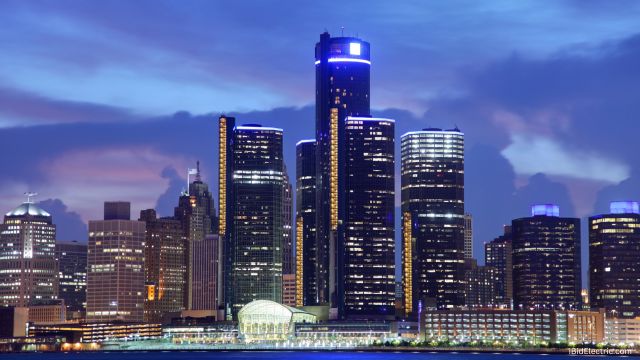
Detroit, Michigan, a city with a storied past and a promising future, is witnessing a resurgence in its construction industry. Once the heart of America’s automotive industry, Detroit has faced numerous challenges, including economic downturns and population decline. However, in recent years, the city has been experiencing a renaissance, with significant investments in infrastructure, residential, and commercial projects. This article explores the construction outlook for Detroit in 2024, highlighting the key trends, major projects, and challenges shaping the city’s development.
Economic and Demographic Drivers
Economic Recovery and Diversification
Detroit’s economy is gradually recovering and diversifying beyond its traditional automotive roots. Key sectors such as technology, healthcare, education, and manufacturing are contributing to this resurgence. The city’s economic recovery is crucial for stimulating construction activities, as it attracts new businesses and residents, driving demand for housing, office spaces, and infrastructure.
Population Stabilization and Growth
After decades of population decline, Detroit is witnessing signs of stabilization and growth. Young professionals, artists, and entrepreneurs are increasingly attracted to the city’s affordable cost of living, vibrant arts scene, and cultural heritage. This influx of new residents is spurring demand for housing and amenities, further fueling construction activities.
Key Construction Trends
Residential Development
The demand for residential properties in Detroit is on the rise, driven by population stabilization and the influx of new residents. Developers are focusing on a mix of housing options, including affordable housing, luxury apartments, and mixed-use developments. Revitalizing historic neighborhoods and repurposing vacant buildings are also key trends, aiming to preserve Detroit’s architectural heritage while meeting modern housing needs.
Commercial Real Estate
Detroit’s commercial real estate market is experiencing significant growth, with new office spaces, retail centers, and hospitality projects underway. The downtown area is particularly vibrant, with numerous developments aimed at attracting businesses, tourists, and residents. Notable projects include the construction of modern office buildings, boutique hotels, and mixed-use developments that combine work, living, and entertainment spaces.
Infrastructure Improvements
Infrastructure development is a critical component of Detroit’s construction outlook for 2024. The city is investing heavily in transportation, utilities, and public facilities to support its economic recovery and growth. Major infrastructure projects include the modernization of public transit systems, road improvements, and upgrades to water and sewage systems. These projects are essential for enhancing connectivity, reducing congestion, and improving the quality of life for residents.
Sustainable and Green Building Practices
Sustainability is increasingly becoming a focus in Detroit’s construction industry. Developers are adopting green building practices, such as energy-efficient designs, renewable energy sources, and environmentally friendly materials. The city is also promoting policies and incentives to encourage sustainable construction. These efforts aim to reduce the environmental impact of new developments and attract environmentally conscious investors and residents.
Major Construction Projects
Hudson’s Site Development
One of the most ambitious projects in Detroit is the Hudson’s Site Development, located on the site of the former Hudson’s department store. This mixed-use development will feature residential units, office spaces, retail outlets, and public plazas. The project aims to create a vibrant, interconnected community in the heart of downtown Detroit, serving as a symbol of the city’s resurgence.
Detroit Innovation District
The Detroit Innovation District is a transformative project that will create a hub for technology, research, and entrepreneurship. The district will include state-of-the-art office spaces, research labs, and collaborative workspaces, designed to foster innovation and collaboration. The project is expected to attract top talent and businesses to Detroit, boosting the city’s reputation as a tech and innovation hub.
Ford’s Michigan Central Station
Ford’s redevelopment of the Michigan Central Station is another significant project shaping Detroit’s future. The iconic building, once a symbol of Detroit’s decline, is being transformed into a modern campus for mobility and autonomous vehicle research. The project includes office spaces, public areas, and green spaces, creating a vibrant environment for innovation and community engagement.
Midtown Development Projects
Midtown Detroit is experiencing a wave of development projects aimed at revitalizing the area and attracting new residents and businesses. Key projects include the construction of mixed-use developments, residential buildings, and cultural institutions. The focus on creating a vibrant, walkable community with access to amenities and public transportation is driving Midtown’s transformation.
Challenges and Opportunities
Labor Shortages
The construction industry in Detroit, like many other cities, faces a shortage of skilled labor. This shortage can lead to project delays and increased costs. To address this challenge, industry stakeholders are investing in workforce development initiatives, such as training programs and partnerships with educational institutions. These efforts aim to attract and retain skilled workers, ensuring the timely completion of projects.
Rising Construction Costs
Rising construction costs, driven by factors such as increased material prices and labor shortages, pose a significant challenge for developers. These cost pressures can impact project feasibility and profitability. To mitigate these challenges, developers are exploring innovative construction methods, such as prefabrication and modular building, which can reduce costs and improve efficiency.
Technological Advancements
The integration of technology in construction is creating new opportunities for efficiency and innovation. Building Information Modeling (BIM), prefabrication, and the use of drones for site inspections are some of the technologies gaining traction in Detroit. These advancements improve project planning, reduce costs, and enhance safety on construction sites, making them valuable tools for addressing the challenges facing the industry.
Conclusion
The construction outlook for Detroit, MI in 2024 is characterized by dynamic growth and transformative developments. The city’s economic recovery, population stabilization, and strategic investments in infrastructure are driving a wave of construction activities across residential, commercial, and industrial sectors. Major projects like the Hudson’s Site Development, Detroit Innovation District, and Ford’s Michigan Central Station highlight Detroit’s ambitious vision for the future. While challenges such as labor shortages and rising construction costs persist, the construction industry is adapting through workforce development and technological innovations. Overall, Detroit’s construction landscape in 2024 promises to be vibrant, sustainable, and transformative, setting the stage for a prosperous future.