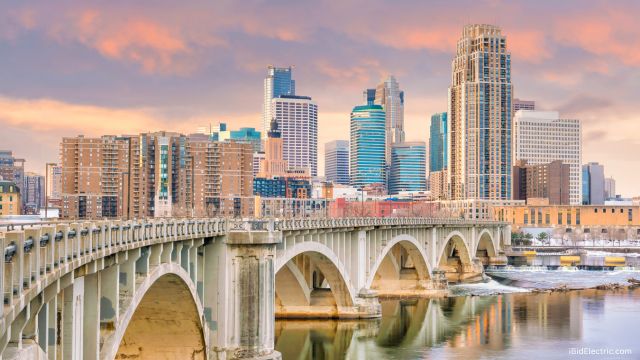

Minneapolis, Minnesota, known for its vibrant arts scene, beautiful parks, and robust economy, is experiencing a significant surge in construction activity. As the largest city in Minnesota, Minneapolis is poised for substantial growth and transformation in 2024. This article explores the construction outlook for Minneapolis, MN in 2024, examining key trends, major projects, and the challenges facing the industry.
Economic and Demographic Drivers
Economic Growth and Diversification
Minneapolis boasts a diverse economy with strong sectors in finance, healthcare, education, and technology. The city’s strategic location in the Upper Midwest, along with its well-developed infrastructure, makes it an attractive hub for businesses. This economic diversification supports sustained investment in construction projects, drawing developers and investors eager to capitalize on Minneapolis’s growth potential.
Population Growth
Minneapolis continues to attract new residents, driven by its job opportunities, high quality of life, and cultural amenities. The city’s population growth is a significant driver of construction demand, particularly in residential and commercial sectors. As more people choose to live and work in Minneapolis, the need for housing, office spaces, and infrastructure rises, fueling construction activities across the city.
Key Construction Trends
Residential Development
The demand for residential properties in Minneapolis remains high, driven by population growth and urban renewal efforts. Developers are focusing on a variety of housing options, from luxury apartments and single-family homes to affordable housing and mixed-use developments. Projects that combine residential, commercial, and recreational spaces are gaining popularity, aiming to create vibrant, integrated communities that cater to diverse needs.
Commercial Real Estate
Minneapolis’s commercial real estate market is thriving, with significant developments in office spaces, retail centers, and hospitality projects. The city is witnessing the construction of modern office buildings, co-working spaces, and retail complexes designed to meet the needs of businesses and consumers. The hospitality sector, buoyed by Minneapolis’s status as a major conference and tourism destination, continues to expand with new hotels and entertainment venues.
Infrastructure Improvements
Infrastructure development is a critical component of Minneapolis’s construction outlook for 2024. The city is investing heavily in transportation, utilities, and public facilities to support its growth and enhance the quality of life for residents. Key infrastructure projects include the expansion of road networks, improvements to public transit systems, and upgrades to water and sewage systems. These projects are essential for reducing congestion, enhancing mobility, and supporting sustainable urban development.
Sustainable and Green Building Practices
Sustainability is becoming a key focus in Minneapolis’s construction industry. Developers are increasingly adopting green building practices, such as energy-efficient designs, renewable energy sources, and environmentally friendly materials. The city is also promoting policies and incentives to encourage sustainable construction. These efforts aim to reduce the environmental impact of new developments and attract environmentally conscious investors and residents.
Major Construction Projects
Nicollet Mall Redevelopment
One of the most significant projects in Minneapolis is the Nicollet Mall redevelopment. This project involves transforming the downtown shopping and entertainment district into a pedestrian-friendly, mixed-use area. The redevelopment includes new residential units, office spaces, retail outlets, and public plazas. Nicollet Mall aims to create a vibrant, interconnected community that enhances the urban experience.
RBC Gateway Tower
The RBC Gateway Tower is a transformative mixed-use development in downtown Minneapolis. The project features residential units, office spaces, retail areas, and a luxury hotel. The RBC Gateway Tower is designed to create a seamless blend of living, working, and leisure, catering to the needs of professionals and residents alike. The development’s emphasis on sustainability and innovation positions it as a key driver of Minneapolis’s future growth.
Minnesota Vikings Headquarters Expansion
The Minnesota Vikings Headquarters Expansion is another significant project shaping Minneapolis’s construction landscape. The expansion includes new training facilities, office spaces, and public amenities. The project reflects the city’s commitment to supporting its sports teams and enhancing community engagement.
Metro Transit Green Line Extension
The Metro Transit Green Line Extension is a major infrastructure project that will enhance connectivity and support economic growth. The extension includes new light rail stations, parking facilities, and transportation links. The project is crucial for accommodating increasing passenger traffic and ensuring that Minneapolis remains a key transportation hub.
Challenges and Opportunities
Labor Shortages
The construction industry in Minneapolis, like many other cities, faces a shortage of skilled labor. This shortage can lead to project delays and increased costs. To address this challenge, industry stakeholders are investing in workforce development initiatives, such as training programs and partnerships with educational institutions. These efforts aim to attract and retain skilled workers, ensuring the timely completion of projects.
Rising Construction Costs
Rising construction costs, driven by factors such as increased material prices and labor shortages, pose a significant challenge for developers. These cost pressures can impact project feasibility and profitability. To mitigate these challenges, developers are exploring innovative construction methods, such as prefabrication and modular building, which can reduce costs and improve efficiency.
Climate Resilience
Minneapolis faces unique challenges related to climate change, including severe weather events and temperature extremes. As a result, there is a growing emphasis on climate-resilient construction practices. Developers are incorporating features such as elevated structures, improved drainage systems, and sustainable materials to enhance the resilience of new developments. These practices are essential for ensuring the long-term sustainability and safety of Minneapolis’s built environment.
Technological Advancements
The integration of technology in construction is creating new opportunities for efficiency and innovation. Building Information Modeling (BIM), prefabrication, and the use of drones for site inspections are some of the technologies gaining traction in Minneapolis. These advancements improve project planning, reduce costs, and enhance safety on construction sites, making them valuable tools for addressing the challenges facing the industry.
Conclusion
The construction outlook for Minneapolis, MN in 2024 is characterized by dynamic growth and transformative developments. The city’s economic growth, population increase, and strategic investments in infrastructure are driving a wave of construction activities across residential, commercial, and industrial sectors. Major projects like the Nicollet Mall redevelopment, RBC Gateway Tower, and Metro Transit Green Line Extension highlight Minneapolis’s ambitious vision for the future. While challenges such as labor shortages, rising construction costs, and climate resilience persist, the construction industry is adapting through workforce development, innovative practices, and technological advancements. Overall, Minneapolis’s construction landscape in 2024 promises to be vibrant, sustainable, and transformative, setting the stage for a prosperous future.
4o